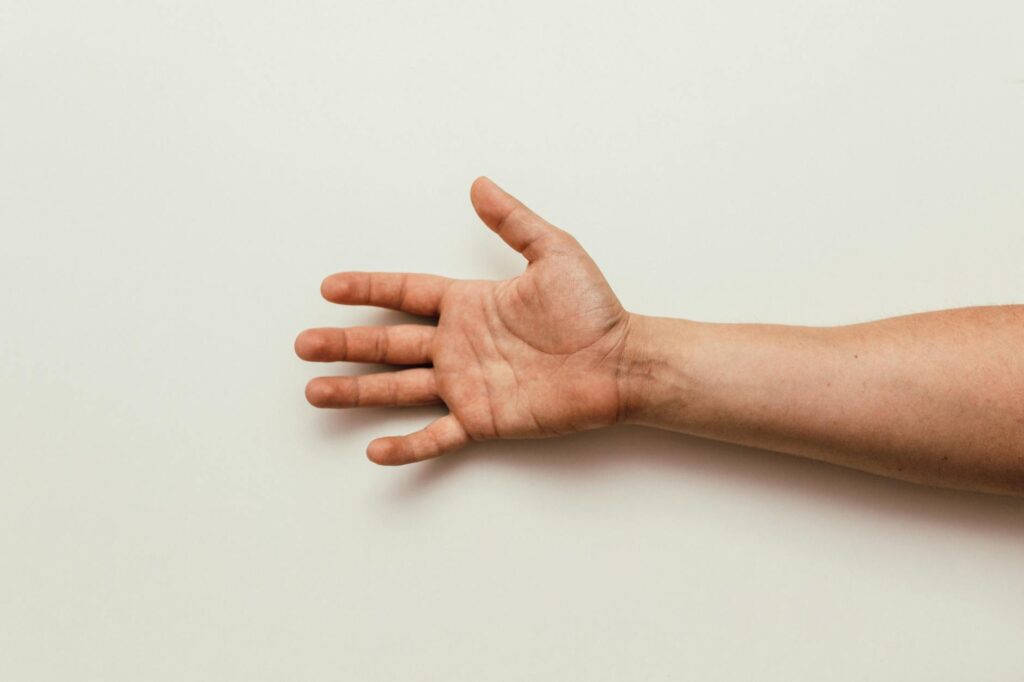
Introduction: A New Era in Limb Restoration
The field of reconstructive surgery has long been defined by traditional methods – meticulous surgical reconstruction, meticulous grafting, and a reliance on donor tissues. However, a revolutionary shift is underway, driven by advancements in biofabrication and regenerative medicine. Says Dr. Michael Lebow, these emerging technologies are fundamentally altering how we approach limb loss, moving away from purely functional replacements towards a more integrated, biological solution. The potential to restore lost limbs with greater precision, speed, and even the possibility of functional regeneration, is no longer a distant dream but a rapidly developing reality. This article will explore the core principles of biofabrication and regenerative techniques, highlighting their impact on the future of limb preservation and the profound changes they represent within the surgical landscape. The current paradigm is shifting from a largely reactive approach to a proactive one, aiming to rebuild not just the structure, but also the intricate biological connections that define a limb’s function and appearance.
The Power of Biomaterials and Cellular Scaffolds
At the heart of biofabrication lies the utilization of sophisticated biomaterials. These materials, often incorporating biodegradable polymers and bioactive ceramics, are designed to mimic the natural extracellular matrix – the complex network of proteins, cells, and growth factors that support tissue regeneration. Researchers are increasingly employing three-dimensional scaffolds, essentially miniature, precisely engineered structures, to guide cell growth and organize tissue formation. These scaffolds provide a framework for cells to attach, proliferate, and differentiate, effectively creating a ‘bio-environment’ conducive to limb regeneration. Furthermore, the incorporation of growth factors and signaling molecules within these biomaterials allows for the precise control of cellular behavior, directing the formation of new tissue with desired characteristics. The ability to tailor these materials to specific tissue types and growth patterns is a critical component of this advancement.
Microfluidic and Bioprinting: Precision in Limb Reconstruction
Beyond traditional biomaterial approaches, microfluidic and bioprinting technologies are playing an increasingly vital role. These techniques allow for the precise layering and patterning of cells and biomaterials, creating complex, layered structures that mimic the intricate architecture of a limb. Microfluidic systems, for example, can precisely control the delivery of nutrients and growth factors, creating a highly localized and controlled environment for cell growth. Bioprinting, a form of 3D printing that utilizes living cells, offers the potential to create functional tissue constructs directly, eliminating the need for external scaffolding. This level of precision is crucial for replicating the complex vascular networks and nerve pathways that are essential for limb function.
Regenerative Medicine: Harnessing the Body’s Own Healing Potential
The concept of regenerative medicine is fundamentally intertwined with biofabrication. Rather than simply replacing lost tissue, these techniques aim to stimulate the body’s own regenerative capabilities. Researchers are exploring methods to encourage cells within the patient’s own body to differentiate into the appropriate cell types required for limb regeneration. This often involves stimulating the immune system to recognize and integrate the new tissue, minimizing the risk of rejection. Furthermore, some approaches are investigating the use of stem cells – cells with the potential to differentiate into various tissues – to accelerate the regenerative process. The ultimate goal is to create a limb that is not just functional, but also seamlessly integrated with the patient’s existing body.
Challenges and Future Directions
Despite the remarkable progress, biofabrication and regenerative techniques still face significant challenges. Scalability remains a key hurdle – producing large quantities of these complex structures remains expensive and technically demanding. Long-term stability and the ability to maintain tissue integrity over time are also critical considerations. Ongoing research is focused on improving biomaterial biocompatibility, optimizing cell differentiation protocols, and developing methods to enhance vascularization – the process by which new blood vessels grow into the regenerated tissue. Looking ahead, we can anticipate a future where biofabrication will become increasingly integrated into limb preservation, offering hope for individuals who have suffered devastating limb loss.
Conclusion: A Promising Future for Limb Restoration
The shift towards biofabrication and regenerative techniques represents a monumental leap forward in reconstructive surgery. These technologies are not simply about creating a replacement; they are about rebuilding the very essence of a limb, fostering a connection with the body, and ultimately, restoring function and quality of life. While challenges remain, the ongoing research and development in this field promise a future where limb loss is no longer a permanent condition, but a manageable and potentially reversible event. The implications for patients and the surgical community are profound, signaling a new era of hope and innovation in the field of regenerative medicine.