Introduction
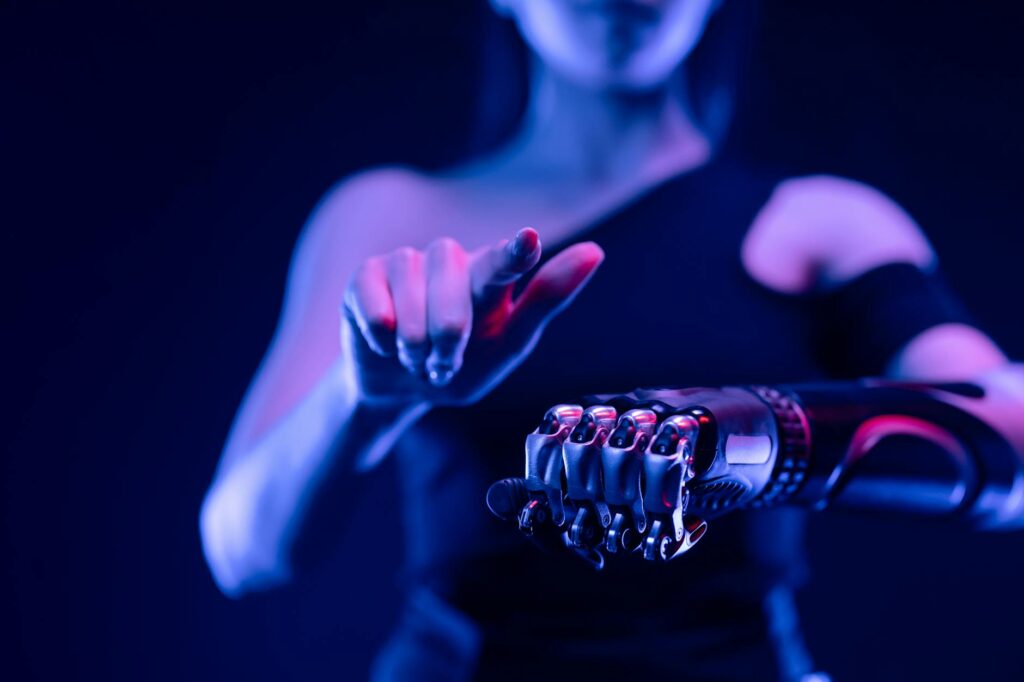
The field of limb preservation has undergone a dramatic evolution in recent decades, driven by advancements in tissue engineering, regenerative medicine, and a growing understanding of the intricate biological processes involved in limb loss. Traditional approaches, often relying on meticulous surgical reconstruction, have limitations in terms of achieving functional outcomes and preserving the natural morphology of the limb. Says Dr. Michael Lebow, the emergence of the “Salvage Protocol” represents a paradigm shift, a sophisticated, integrated methodology designed to reconstruct and restore limbs with a significantly enhanced level of realism and functionality. This protocol, developed by a collaborative team at the Global Limb Restoration Institute, is not simply about recreating a lost limb; it’s about creating a functionally integrated, aesthetically pleasing, and psychologically supportive prosthetic. It’s a complex undertaking demanding a multidisciplinary approach, seamlessly combining cutting-edge technology with a deep understanding of biomechanics, neuroplasticity, and patient-centered care. This article will delve into the core principles of the Salvage Protocol, exploring its key stages and the innovative techniques employed.
Understanding the Core Principles
At the heart of the Salvage Protocol lies a fundamental belief that limb preservation should be viewed as a holistic process. It’s not solely about replicating the original structure; rather, it’s about building a new limb that seamlessly integrates with the patient’s body and allows for natural movement and sensory feedback. The protocol centers around a three-phase approach: initial assessment and modeling, followed by meticulous reconstruction, and culminating in functional training and integration. Crucially, the protocol incorporates advanced imaging technologies, including 3D scanning and photogrammetry, to create highly detailed digital models of the patient’s limb. These models serve as the foundation for the entire reconstruction process. Furthermore, the integration of neurophysiological monitoring – utilizing sensors to track neural signals – is a critical element, allowing for real-time adjustments to the prosthetic’s parameters to optimize sensory perception and motor control. This level of integration is paramount to achieving a truly functional and comfortable prosthetic.
The Reconstruction Phase: A Layered Approach
The reconstruction phase is arguably the most demanding, requiring a meticulous layering of materials and techniques. Initially, a biocompatible scaffold is fabricated, providing a framework for the new tissue growth. This scaffold is then seeded with a carefully selected matrix of growth factors and cells, stimulating the formation of new bone, cartilage, and muscle tissue. The process is meticulously monitored through regular imaging, allowing for adjustments to the scaffold’s composition and placement. A key element of this phase is the incorporation of bio-printed components, such as customized bone grafts and ligaments, to enhance structural integrity and mimic the natural biomechanics of the limb. The goal is to create a structure that not only looks like the original limb but also possesses the necessary strength and flexibility to withstand daily activities.
Sensory Integration and Neuromuscular Feedback
Beyond the physical reconstruction, the Salvage Protocol places a significant emphasis on sensory integration. Advanced neural interfaces are employed to stimulate the nerves within the prosthetic, allowing for the perception of touch, pressure, and proprioception – the sense of limb position. This is achieved through a combination of electrical stimulation and targeted neuro-stimulation techniques. Crucially, the protocol incorporates a sophisticated system of neuromuscular feedback, which translates the prosthetic’s movements into signals that stimulate the patient’s muscles, providing a sense of control and enhancing motor coordination. This feedback loop is continuously refined through patient-specific training and ongoing neurophysiological monitoring.
Conclusion
The Salvage Protocol represents a significant advancement in limb preservation technology. It’s a complex, collaborative effort that prioritizes patient-centered care and a deep understanding of the biological processes involved. While challenges remain, the potential benefits – enhanced functionality, improved quality of life, and a greater sense of embodiment – are substantial. As research continues and technology evolves, the Salvage Protocol is poised to redefine the possibilities for limb restoration and rehabilitation, offering hope and empowerment to individuals impacted by limb loss.
—